






The Expanding Universe of Simulation Games: A Dive into Virtual Realities
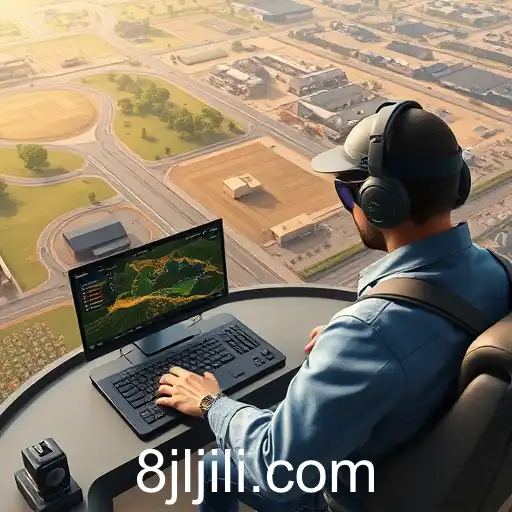
Simulation games have carved a unique niche in the gaming industry, offering players an expansive canvas to explore, create, and navigate virtual realities that closely mimic the intricacies of real life or venture wildly into the imaginative. The genre's appeal lies in its capacity to blend entertainment with realism, thereby engaging a diverse range of gamers across different demographics. From managing bustling cities to piloting aircrafts, simulation games provide an immersive experience that is both educational and entertaining. Historically, simulation games have evolved significantly. Starting with basic simulators in the 1980s, such as "SimCity," the genre has expanded to include complex titles like "The Sims," which opened new avenues for storytelling and personal expression within digital landscapes. Players not only build homes and families but also simulate life events, conditioning an emotional attachment to their virtual counterparts. As technology has advanced, so too have these games, utilizing sophisticated algorithms and graphics to create hyper-realistic scenarios. When exploring the variants of simulation games, the diversity is staggering. Life simulation games, such as "Animal Crossing," allow players to build personalized utopias. Meanwhile, titles like "Flight Simulator" push the boundaries of realism, offering players the chance to pilot aircraft in real-time across the globe with stunning accuracy. Management simulations, like "RollerCoaster Tycoon," challenge players’ strategic skills as they grow and manage business empires or theme parks. This diversity is a testament to the genre's flexibility in providing a virtual sandbox for players to exercise creativity in controlled, yet limitlessly evolving environments. The significance of simulation games extends beyond entertainment. Educational institutions and professional training programs leverage these games to teach complex concepts in a controlled, risk-free environment. For instance, military and aviation industries frequently employ simulated training to prepare individuals for real-world scenarios without the imminent risks. This blurring of lines between play and practicality exemplifies the profound impact of simulation games on various sectors outside traditional gaming paradigms. As we move forward, the future of simulation games looks increasingly vibrant, fueled by advancements in technology such as virtual and augmented reality, artificial intelligence, and expansive computational capabilities. These developments promise even more immersive experiences, richer narratives, and enhanced interactivity, inviting players into deeper engagement with these virtual worlds. The genre continues to captivate imaginations, fostering a broad spectrum of activities that illuminate the potent capabilities of interactive media in modern culture and beyond.
The Rise of Virtual Platforms in Gaming Communities

Exploring the integration of virtual platforms in gaming communities and how it shapes the interaction dynamics in 2025.
2025-12-12
The Rise of Gaming Communities in 2025
Explore how gaming communities are evolving in 2025, focusing on innovations and the role of platforms like 8jl.
2025-12-11
The Impact of AI on Online Gaming Platforms
Exploring the role of artificial intelligence in transforming the gaming landscape on platforms like 8jl.
2025-12-09
Gaming Revolution in the Virtual World

Exploration of the growth and transformation of online gaming platforms in 2025, focusing on 8jl's pivotal role.
2025-12-08

 download apk/ios