






Exploring the Complex World of Strategy Games: A Dive into the Genre
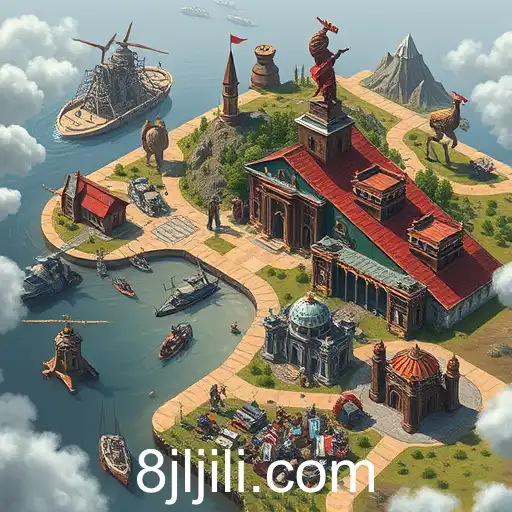
Strategy games form a cornerstone of the gaming industry, luring players into a world that requires tactical thinking, careful planning, and resource management. The game category, known for its diverse range of themes and narratives, offers experiences that can be deeply rewarding for those who choose to immerse themselves in it. This article delves into why strategy games have become a beloved staple in the gaming landscape and how they continue to evolve.
At the heart of strategy games is the emphasis on planning and skillful decision-making. Unlike action-oriented categories where reflexes and speed are paramount, strategy games often challenge players to plan several moves ahead, considering potential outcomes and consequences. This type of gameplay is intellectually stimulating, often requiring players to adopt a forward-thinking mindset to outmaneuver opponents or achieve set objectives.
A notable aspect of strategy games is their diversity in sub-genres, catering to various interests. Real-time strategy (RTS) games like 'StarCraft' require players to think on their feet, managing resources and troops in real-time, while turn-based strategy (TBS) games such as 'Civilization' let players deliberate over their moves, calculating each decision without the added pressure of a running clock. Additionally, the rise of tactical role-playing games (TRPGs) and grand strategy games has expanded the horizon for gamers eager to explore different tactical challenges.
The digital era has ushered in significant advancements in strategy game design, enabled by enhanced graphics, online play, and complex AI systems. These advancements result in increasingly immersive experiences and dynamic gameplay that reflect the evolving interests of the global gaming community. Furthermore, strategy games often receive frequent updates and are supported by vibrant communities that contribute mods and custom content, extending the life and breadth of the game.
Yet, beyond entertainment, strategy games have educational value. They promote strategic thinking, problem-solving, and in some cases, encourage players to learn about historical events or scientific principles woven into game narratives. This educational facet makes them popular in both casual gaming environments and formal educational settings, where specific historical or system dynamics can be illustrated through gameplay.
In conclusion, the strategy games category, encapsulated under a simple keyword like '8jl', represents much more than just a form of entertainment. It is a dynamic genre that continuously evolves, offering players of all ages and backgrounds opportunities to engage with complex, rewarding challenges. As the genre continues to grow with technological advances and creative innovations, strategy games remain a testament to the enduring appeal of thoughtful, engaging gameplay.
The Rise of Virtual Platforms in Gaming Communities

Exploring the integration of virtual platforms in gaming communities and how it shapes the interaction dynamics in 2025.
2025-12-12
The Rise of Gaming Communities in 2025

Explore how gaming communities are evolving in 2025, focusing on innovations and the role of platforms like 8jl.
2025-12-11
The Impact of AI on Online Gaming Platforms
Exploring the role of artificial intelligence in transforming the gaming landscape on platforms like 8jl.
2025-12-09
Gaming Revolution in the Virtual World

Exploration of the growth and transformation of online gaming platforms in 2025, focusing on 8jl's pivotal role.
2025-12-08

 download apk/ios